

The Advantages of Hiring Our Firm
Patent, Technology Transactions & FDA Regulatory Counsel for Technology & Life Sciences Companies
Torrey Pines Law Group puts patent, technology transactions and FDA regulatory counsel on one team, staffed by scientists, engineers and former in-house executives, so that the patents, the agreements and the regulatory file for a product agree with one another from the first filing to the exit.
At a Glance
- What we do: Patent preparation and prosecution worldwide, technology transactions, FDA regulatory strategy and submissions, IP opinions and due diligence
- Who we represent: Startups and physician entrepreneurs, universities and research institutions, private and public companies, and in-house legal teams
- Who does the work: Practitioners trained in the client's technology, led by people who have been executives, general counsel of public companies, senior patent counsel and regulatory heads themselves, with one senior attorney responsible for each client
- When a patent is challenged: We defend it at the Patent Office, including before the Patent Trial and Appeal Board, and work beside trial counsel in court; the firm does not currently litigate in state or federal courts. See Health Discovery Corporation v. Intel
- Fees: Fixed-fee, hourly and hybrid arrangements and, in certain circumstances, equity, with estimates before opinion and diligence work begins
- Where: San Diego (headquarters), Los Angeles, Orange County, Silicon Valley and Boston, and through foreign associates we instruct and supervise directly
- Recognition: Chambers California Spotlight Guide 2025 and 2026; The Patent Lawyer Top Ten West Coast
Patent, Deal and Regulatory Counsel in One Team
Every technology company has inventions to protect and agreements to sign. Some also have a regulator to satisfy. Most hire a different firm for each job, and each firm does good work in its own lane. The trouble shows up at the seams: the client carries the file from one firm to the next, and nobody is paid to notice that the patent claims, the license and the product on the loading dock have drifted apart.
At Torrey Pines Law Group the intellectual property, technology transactions and FDA regulatory practices work from the same file, at the same table, from the first filing onward. A software, semiconductor or consumer products company may never need the third; a drug or device company needs all three on the first day. Either way, each step is planned with the later steps already in view.
The aim is to get the client's product to market. A patent, a license or an FDA clearance is a step along the way, and we treat it as one.
One Team from Concept to Market
| Concept | Development | Clearance or approval | Launch | Growth or exit | |
|---|---|---|---|---|---|
| Patents | First patent filing | PCT and national phase filings | Freedom-to-operate opinion | Continuations as the product evolves | Lifecycle management; due diligence |
| Transactions | University or in-license | Collaboration and research agreements | Manufacturing and supply agreements | Distribution and commercial agreements | Acquisition or public offering |
| FDA regulatory | Classification and pathway strategy | Pre-Submission meeting; testing plan | 510(k), De Novo, PMA, NDA or BLA | Labeling, promotion and reimbursement | Quality system and post-market |
To Market, Not Just to the Patent Office
Plenty of firms will obtain a patent, draft an agreement or file a submission, each as its own project with its own invoice. Our clients are not in business to collect any of those. They are in business to sell a product, license a technology or build a company someone will want to buy. We measure each piece of work against that end, which sometimes means advising against a filing that would not serve the product.
The Large-Firm Model in a Smaller Firm
Advising a company from concept to market is not a new idea. The technology and life sciences groups of the large international firms are organized in just this way, with patent, transactional and regulatory lawyers working for one client across the life of its product. It is the right model. It usually comes with several hundred lawyers and the overhead that travels with them.
We run the same model in a smaller firm. That is possible because our senior people have done this work from the inside: as executives at artificial intelligence and life sciences companies, as general counsel of publicly traded life sciences companies, as senior patent counsel at a major technology company, as the manager of a research university's patent portfolio, and as a regulatory executive responsible for global submissions. They have had to get products to market themselves, they know what the business needs from its lawyers at each stage, and they work on client matters directly.
Experience in the Boardroom and the Executive Suite
Advice from people who have answered to a board reads differently from advice written for the file. Our senior people have served on boards of directors, run companies as founders and chief executives, and reported to boards as general counsel and regulatory heads. One of them sits on a public company board today: Shihong Nicolaou, Ph.D., is an independent director of OSE Immunotherapeutics, a biotechnology company listed on Euronext Paris. They know that a director needs the decision, the risk and the cost on one page, and that every legal plan is also a budget line and part of the financing story. We write our advice to be used that way.
Advice a board can act on
A patent, license or regulatory question reaches the board as a decision, with the options, the risks and the cost of each, rather than as a memorandum to be decoded. We prepare portfolio and transaction briefings in that form and answer the directors' questions when they come.
Budgets set by people who have paid the bills
Our people have approved outside counsel's invoices and defended legal budgets to boards and investors. We quote fixed fees where the scope allows, estimate opinion and diligence work before it begins, time filings to the product and financing calendar, and say so when a filing is not worth what it costs.
Diligence seen from the company's side
As executives, our people have answered diligence requests from investors and acquirers. We know which questions arrive first, which documents tend to be missing, and how a gap in the chain of title becomes a price adjustment, so we close those gaps before the data room opens. Our financings and M&A and due diligence pages explain the work.
Outside counsel run the way we would want
Our people have hired and supervised law firms and regulatory consultants in the United States and abroad. Each client has one senior attorney responsible for its work, reports arrive in plain terms, and foreign associates are instructed and supervised by us directly rather than through another firm.
Patents and Agreements Built Together
Patents written for the product and the business
A patent drafted in a vacuum protects the invention as it looked on the whiteboard. A patent drafted with the business in view protects the product that ships, the next version on the roadmap and the design-around a competitor is most likely to try. For AI and software, that means claims that survive an eligibility challenge and reach conduct you can actually detect from outside a competitor's servers. For electronics, semiconductors and manufactured goods, it means claims that reach the party worth pursuing, whether that is the component maker, the assembler or the seller.
Patent or trade secret, decided on purpose
Not everything belongs in a patent application. Training data, process recipes and manufacturing know-how are often worth more as trade secrets, provided the employment, contractor and vendor agreements are in place to keep them secret. Because the same team drafts the applications and the agreements, the choice is made deliberately rather than by default.
Agreements that match the patent position
A license, joint development agreement or supply contract is only as good as its fit with what the company owns and where the product is headed. We draft the field of use, exclusivity and improvement clauses with the patent claims open on the desk, and we check development, contractor and commercial agreements for who owns what is invented along the way. The customer who helps refine your product should not end up owning the refinement by accident.
A single calendar for what becomes public, and when
Product launches, trade show demonstrations, conference papers, investor presentations and offers for sale can all become prior art, and most countries outside the United States offer little or no grace period. Because we see the product, financing and deal schedules together, patent filings go in before the disclosure rather than the week after.
Due diligence that reads the whole file
An investor's or acquirer's counsel will read the patents, the assignments and the contracts side by side, looking for the places where they disagree. We read them that way first, whether we are preparing a client for diligence or conducting it for an investor. Freedom-to-operate and other opinions are written with the same commercial picture in mind.
When the Product Is Regulated
For drugs, biologics, medical devices, diagnostics and digital health products, the regulatory file becomes a third document that has to agree with the other two.
Patents written for the product that will be approved
For a drug or biologic, that means claims that track the expected label, Orange Book listing and patent term extension considered at the outset, and follow-on filings timed to clinical and manufacturing data (see lifecycle management). For a medical device or diagnostic, it means claims that follow the intended use and the features on which reimbursement turns.
FDA submissions that do not undercut the patents
A 510(k) tells FDA that a device is substantially equivalent to something already on the market. A patent application tells the Patent Office that the same device is new and not obvious. Both statements can be true, but they ought to be written by people who have read each other's drafts. We review regulatory submissions, labeling and promotional claims against the patent file, and the reverse, before either is filed. Our FAQ on choosing a predicate device works through one example, and our Imeka client story shows the approach at work for a client.
Agreements that follow the regulatory path
Fields of use follow the planned indications, diligence milestones are set against a realistic regulatory timeline, and rights to regulatory filings and clinical data travel with the patents. Clinical trial, manufacturing and quality agreements are drafted by people who know what FDA will ask of each party.
When a Patent Is Challenged: Health Discovery v. Intel
A patent that matters will sooner or later be challenged, and the people who wrote and prosecuted it are the best placed to defend it. Health Discovery Corporation owns machine-learning patents that Intel challenged at the Patent Trial and Appeal Board. Eleanor Musick represented the company there.
- 2019 As lead counsel in a patent interference, she won a Board decision for Health Discovery and an order cancelling Intel's patent (Health Discovery Form 8-K).
- 2022 Intel had answered with seven petitions for inter partes review of Health Discovery's patents. Serving as counsel for the patent owner while trial counsel handled the infringement suits in court, she saw the Board decline to institute several of the petitions and, in its final decisions, uphold every challenged claim in the three reviews that reached that stage.
- 2023 Intel settled the infringement suits (Health Discovery Form 8-K).
That is the arrangement we offer every client: we defend patents at the Patent Office ourselves and work beside trial counsel when a dispute is in court. Our page on IP litigation support explains the arrangement, and our recent successes page has further examples.
“A no-nonsense world-class law firm”
“Beyond their cool command of the law, their ability to fashion efficient strategies to assert your rights, and their understanding of the business dimensions to your IP strategy, you will be most impressed by their earnest desire to support your growth and to make you a winner in the marketplace. TPLG is a no-nonsense world-class law firm, accessible, agile and able to travel from your lofty strategic ambitions to the intricacies in the most arcane contractual proviso or regulation.”

“Represented us really well with potential investors”
“Kevin helped us not only with many patent applications, but also represented us really well with potential investors, due diligence, and other matters. Highly recommend him and his team.”
Read more on our client testimonials page.
Why It Matters to Different Clients
Technology companies
For AI, software, electronics, energy and consumer products companies, the patents and the contracts are the whole legal picture of the product. Having one team hold both means fewer gaps in ownership and fewer surprises when a customer, partner or acquirer reads the paperwork.
Startups
The patent portfolio is usually the currency for the next financing. Investors pay more for patents that cover the product they are funding and for agreements that hold together under diligence.
Universities and research institutions
Under the traditional technology transfer model, the licensee takes on all of the development risk, and the license is priced accordingly. A patent that anticipates the commercial product, with an early view of freedom to operate and of any regulatory pathway, is a more valuable thing to license.
Life sciences and medical device companies
The patent, the FDA submission and the license are written to agree with one another from the start, rather than reconciled later at some expense.
Established companies
Public and multinational companies bring us the matters their legal departments lack the time or the specialist to handle, from a portfolio transfer to an opinion before launch. Our page on outside counsel for in-house legal teams explains how we work with them.
Scientists and Former Executives
Our IP lawyers, patent agents, patent engineers and regulatory professionals hold undergraduate and graduate degrees in biochemistry, chemistry, pharmaceutical chemistry, pharmacy, physics, electrical engineering, applied mathematics and data science. Many have worked at the bench in academic laboratories and in research and development in the biotechnology, pharmaceutical, medical device, software and electronics industries.
Patents

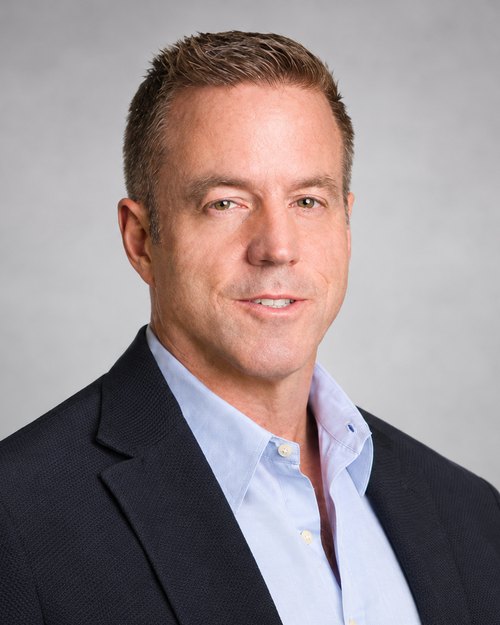
Kevin Buckley
Founder; Registered Patent Attorney
- Ranked Tier 1 for IP in San Diego and Southern California by Legal 500 US City Elite
- Patented, and helped obtain FDA clearance for, the first AI-enabled software to assist in detecting breast cancer
- Founder of ten companies; executive at two AI companies and a biopharmaceutical company
- Over his career, has represented Pfizer, Novartis, Teva, Stanford, the University of California, Salk, Scripps Research, Covidien, Sigma-Aldrich and Mallinckrodt
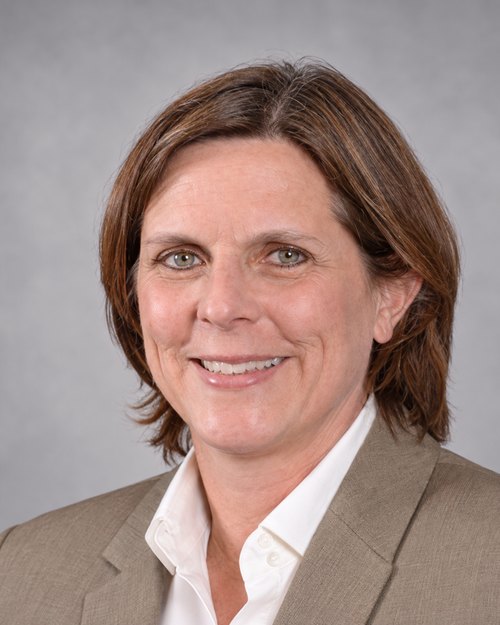
Robert Buchanan, Ph.D.
Senior U.S. Patent Attorney; Founder, Boston Office
- Associate General Counsel at Biogen, where he was lead or co-lead IP counsel on transactions with upfront and milestone payments above $1.25 billion
- Co-founder and CEO of Regenesance, acquired as Complement Pharma by Graviton Bioscience
- Former partner and co-chair of the life sciences group at Edwards Angell Palmer & Dodge
- Caltech Biology Fellow in the laboratory of Seymour Benzer
Eleanor Musick
Senior U.S. Patent Attorney
- Lead counsel for Health Discovery Corporation against Intel at the Patent Trial and Appeal Board (see above)
- Co-managing partner of a San Diego IP boutique, then more than ten years a partner in Procopio's IP group
- Has litigated patent, trademark and copyright cases in district and appellate courts
- Nine years as a semiconductor process engineer at Unisys before law

James McFarland
Senior U.S. Patent Attorney
- A decade as Senior Patent Counsel at Qualcomm, managing portfolios of thousands of patents and making standards declarations
- Prepared and prosecuted many of the patents on position location and emergency 911 in cellular phones
- Patent Advisor to the Lasers Group at Lawrence Livermore National Laboratory
- Prosecuted patents for Intel, Apple and Sun Microsystems in Silicon Valley practice
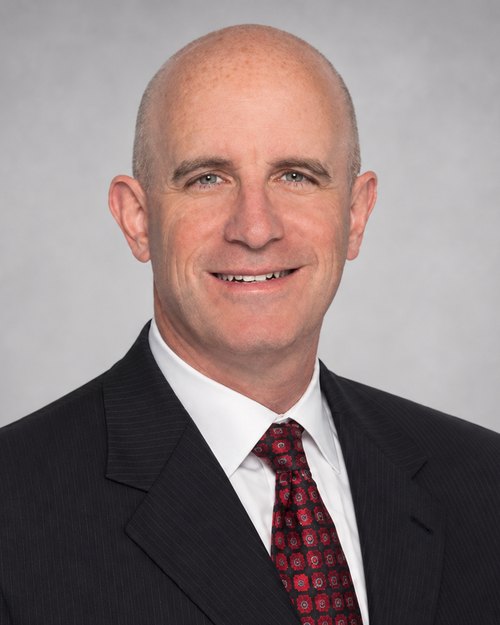
Steven Stupp, Ph.D.
Senior U.S. Patent Agent, Palo Alto
- More than 3,000 patents drafted, including some of the first patents for Apple's iPhone
- Practitioner of record on nearly 700 issued U.S. patents
- Inventor on 34 issued U.S. patents and author of 36 refereed scientific publications
- Ph.D. in condensed matter physics, University of Illinois
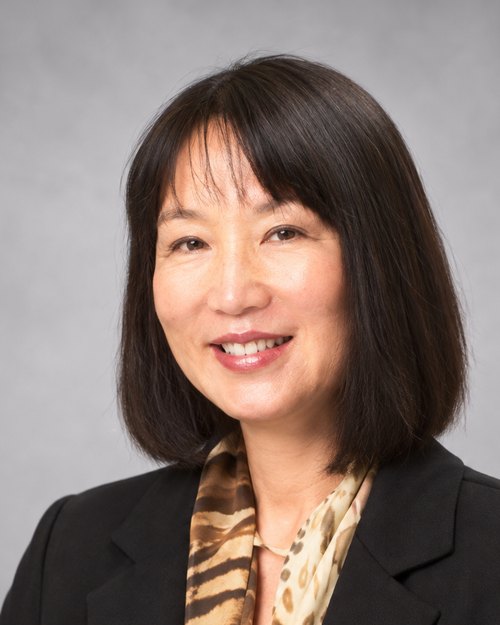
Shihong Nicolaou, Ph.D.
Senior U.S. Patent Agent
- Independent director of OSE Immunotherapeutics, a biotechnology company listed on Euronext Paris
- Nearly two decades managing a large patent portfolio at UC San Diego's Office of Innovation and Commercialization
- Antiviral and anticancer drug research at Pfizer, supporting clinical trials and FDA approvals
- Ph.D. in pharmaceutical chemistry, University of Kansas
Technology Transactions
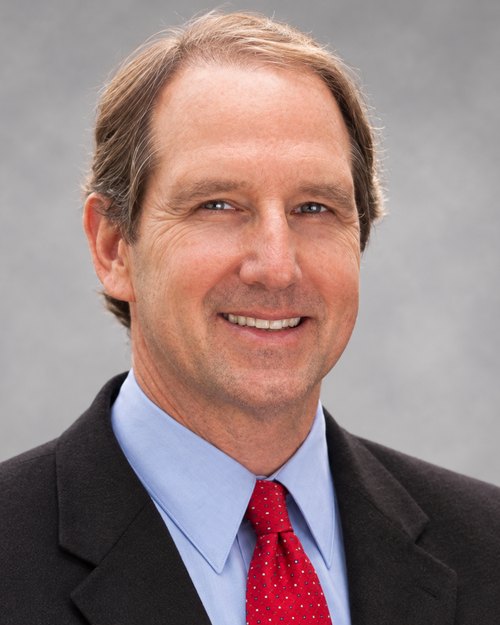
Randy Berholtz
Senior Counsel; Corporate Attorney
- General counsel of four life sciences companies, three of them publicly traded, and twice named In-House Counsel of the Year by the San Diego Business Journal
- Rhodes Scholar, Yale Law School and a Fifth Circuit clerkship, followed by corporate practice at Cravath, Cooley and Heller
- Co-founder, chair and CEO of Rancho Santa Fe Bio, sold in 2024 (more on Randy)
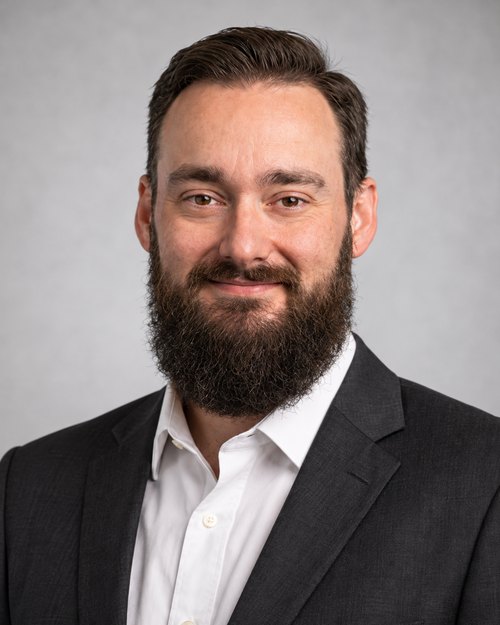
Jake Siciliano
Counsel; Business & IP Attorney
- In-house counsel at two public pharmaceutical companies, Innovus Pharmaceuticals and Aytu BioPharma
- Has managed a portfolio of more than 750 intellectual property assets
- Trademark filings before the USPTO, the Canadian IP Office and WIPO
FDA Regulatory
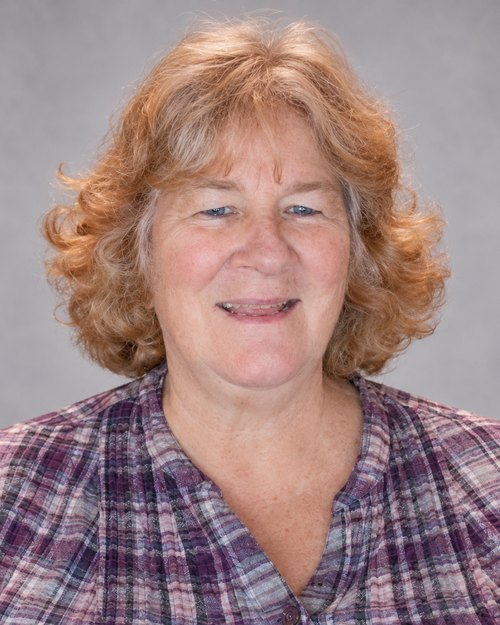
Doranne Frano
Senior International FDA Regulatory Advisor
- Led a priority-review NDA at La Jolla Pharmaceutical that was approved in four months
- Filed two oncology Japanese NDAs approved after six-month reviews, and four INDs that cleared FDA's 30-day review
- Led worldwide regulatory work at G.D. Searle and Pharmacia, including the transfer of more than 30 products across more than 60 countries
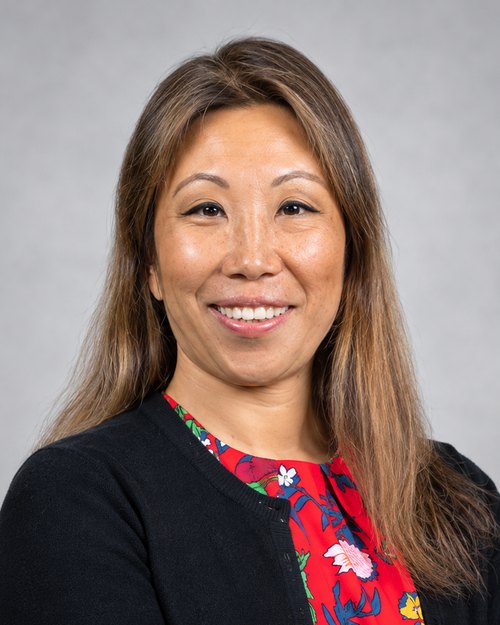
Fawn Zhang, Pharm.D.
Senior U.S. FDA Regulatory & IP Attorney
- Senior principal clinical scientist at Medtronic, working on IDE study design and execution
- Medical affairs at Janssen (Johnson & Johnson) and orphan-drug work at Questcor
- ISO 13485 lead auditor; president of the Orange County Regulatory Affairs Discussion Group, 2023 to 2026
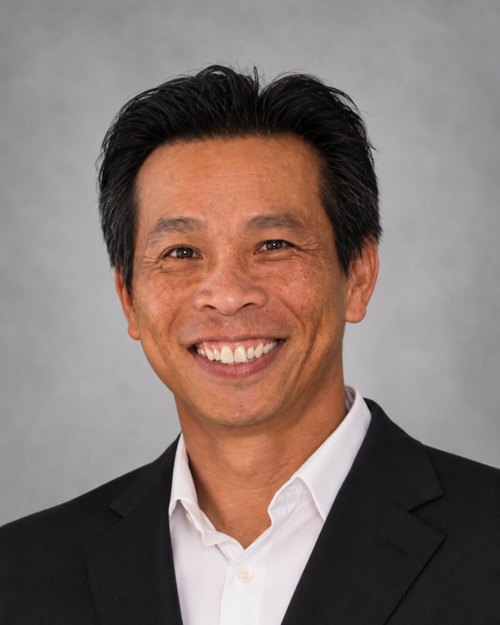
Minh-Duc Nguyen
Senior International FDA Regulatory Advisor
- Vice President, Quality at Butterfly Network, building an ISO 13485 and MDSAP-certified quality system for its ultrasound launch and supporting its 510(k) filings
- Senior Director, Quality at Fitbit, where he hosted a successful FDA inspection
- Quality leadership at Sotera Wireless and Amylin Pharmaceuticals
Each of our team leaders has more than 30 years of experience with technology commercialization. Meet the full team, including our patent engineers, paralegals and administrative staff.
A Vetted Network
Bringing a product to market takes more than lawyers. Our firm works within a network of foreign patent associates, regulatory counsel, business advisors, contract researchers, contract manufacturers and scientific experts in the United States and abroad, and we bring them in when a matter calls for it. See our foreign associates.
Tell Us What You Are Building
We would welcome the chance to tell you more about the firm and to see how we might work together. A first consultation begins with a conflicts check, and then we arrange a time.
Related topics: patent preparation and prosecution, client testimonials and the companies we represent.
Prior results do not guarantee a similar outcome. Testimonials reflect the experience of individual clients.